Buy qi-gong.eu ?
We are moving the project
qi-gong.eu .
Are you interested in purchasing the domain
qi-gong.eu ?
domain@kv-gmbh.de · 0541-91531010
Buy qi-gong.eu ?
Is Qi energy-saving?
Qi energy is not inherently energy-saving in the traditional sense. It is a concept in traditional Chinese medicine and martial arts that refers to the vital energy or life force that flows through the body. While practices such as qigong and tai chi, which aim to cultivate and balance Qi, may promote overall health and well-being, they are not specifically designed to save energy in the way we typically think of it in terms of electricity or fuel consumption. However, the principles of Qi cultivation may lead to a more balanced and efficient use of personal energy and resources. **
What is the energy balance?
Energy balance refers to the relationship between the energy consumed through food and beverages and the energy expended through physical activity and metabolic processes. When energy intake equals energy expenditure, a person is said to be in energy balance. This balance is important for maintaining a healthy weight and overall well-being. If there is an imbalance, with more energy consumed than expended, it can lead to weight gain, and vice versa. **
Similar search terms for Harper-The-Energy-Paradox
Top-Angebote
Products related to Harper-The-Energy-Paradox:
-
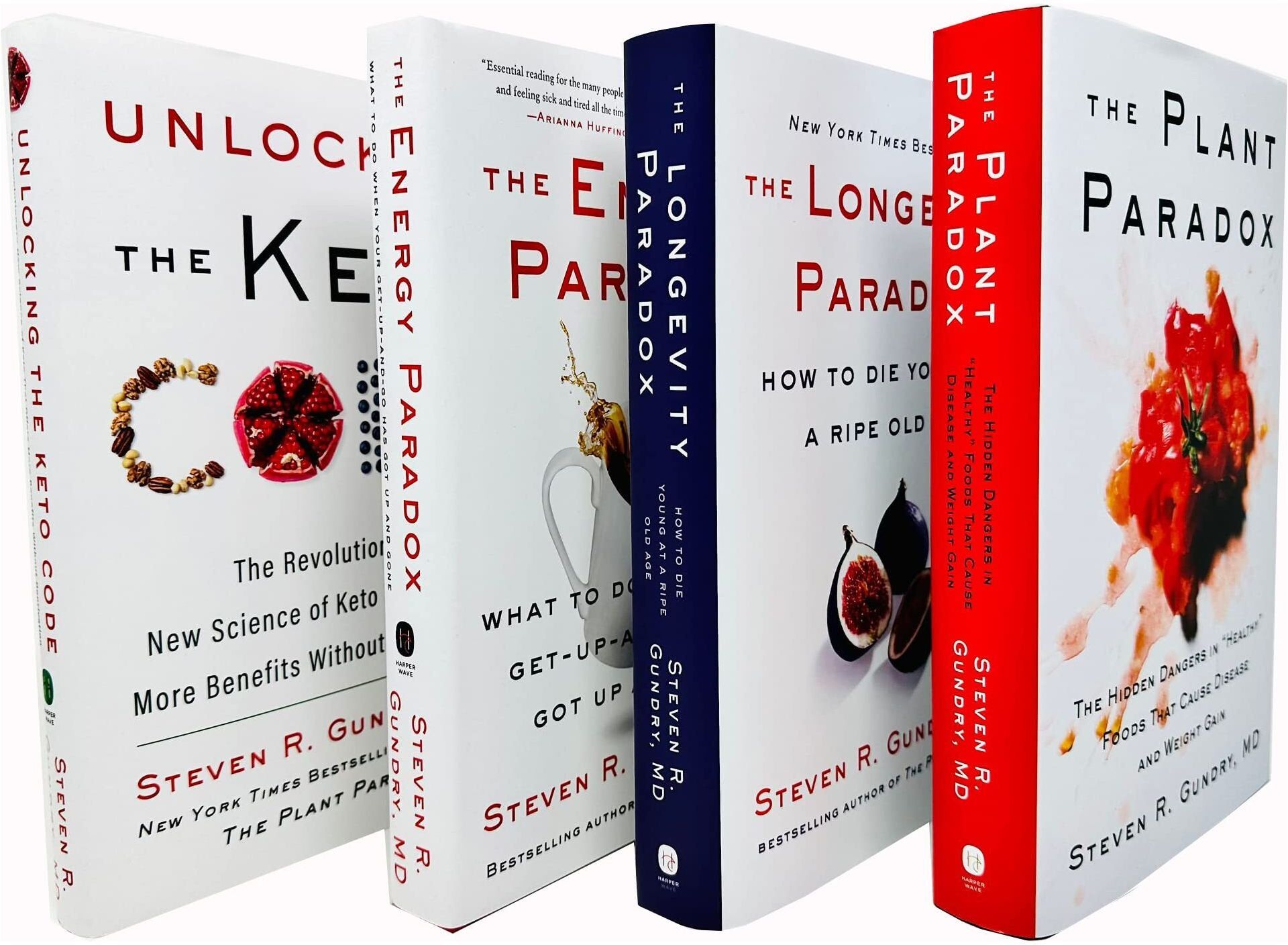
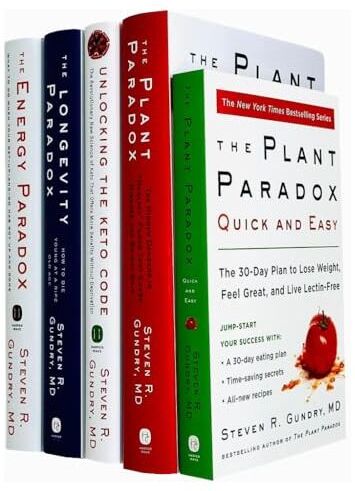
HarperWave ltd Dr. Steven R Gundry MD 4 Books Collection Set (The Plant Paradox, The Longevity Paradox, The Energy Paradox and Unlocking The Keto Code)Dr. Steven R Gundry MD 4 Books Collection Set (The Plant Paradox, The Longevity Paradox, The Energy Paradox & Unlocking The Keto Code): The Plant Paradox: In The Plant Paradox, renowned cardiologist Dr. Steven Gundry reveals that gluten is just one variety of a common, and highly toxic, plant-based protein called lectin. Lectins are found not only in grains like wheat but also in the “gluten-free” foods most of us commonly regard as healthy, including many fruits, vegetables, nuts, beans, and conventional dairy products. The Longevity Paradox: This groundbreaking book holds the answer. Working with thousands of patients, Dr. Gundry has discovered that the “diseases of aging” we most fear are not simply a function of age; rather, they are a byproduct of the way we have lived over the decades. In The Longevity Paradox, he maps out a new approach to aging well—one that is based on supporting the health of the “oldest” parts of us: the microorganisms that live within our bodies. The Energy Paradox: In The Energy Paradox, Dr. Gundry expands upon his previous discussions of gut, microbiome, and mitochondrial health, linking immune malfunction to the mental and physical symptoms of fatigue—including exhaustion, brain fog, depression, anxiety, and low metabolism. As Dr. Gundry explains, feeling tired, moody, and zapped of energy is not normal, no matter your workload or age. Unlocking the Keto Code: In Unlocking the Keto Code, Dr. Gundry reveals the biological mechanism that makes keto diets so successful: a cellular process known as “mitochondrial uncoupling.” As it turns out, ketones are not the magical fuel source they’ve been made out to be; in fact, the body cannot run on ketones and fats alone.24,90 £*Shipping: 2,99 £Secure redirect to the provider
-
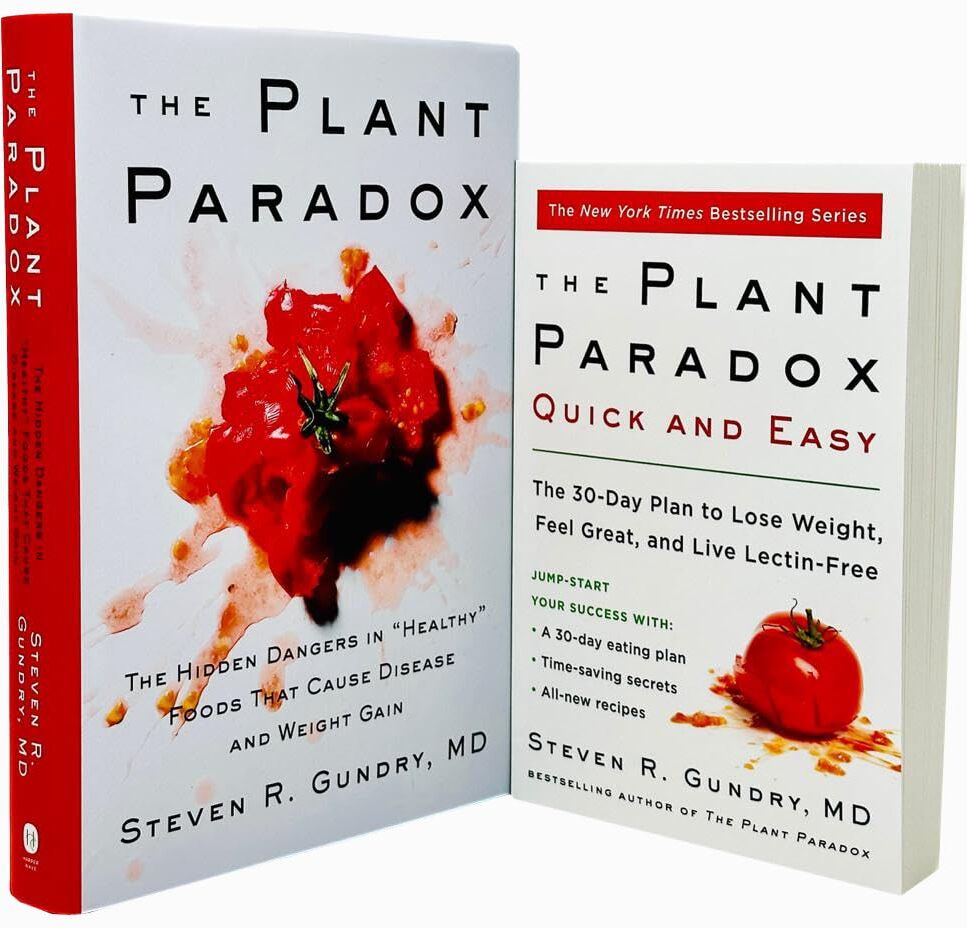
Harper The Plant Paradox & The Plant Paradox Quick and Easy 2 Book Collection Set by Steven R. Gundry – 30-Day Diet Plan & Health GuideThe Plant Paradox Series 2 Books Collection Set By Dr. Steven R Gundry MD (The Plant Paradox [Hardcover] & The Plant Paradox Quick and Easy: The 30-Day Plan to Lose Weight, Feel Great, and Live Lectin-Free): The Plant Paradox [Hardcover]: In The Plant Paradox, renowned cardiologist Dr. Steven Gundry reveals that gluten is just one variety of a common, and highly toxic, plant-based protein called lectin. Lectins are found not only in grains like wheat but also in the “gluten-free” foods most of us commonly regard as healthy, including many fruits, vegetables, nuts, beans, and conventional dairy products. These proteins, which are found in the seeds, grains, skins, rinds, and leaves of plants, are designed by nature to protect them from predators (including humans). Once ingested, they incite a kind of chemical warfare in our bodies, causing inflammatory reactions that can lead to weight gain and serious health conditions. The Plant Paradox Quick and Easy: In Dr. Steven Gundry’s breakout bestseller The Plant Paradox, readers learned the surprising truth about foods that have long been regarded as healthy. Lectins—a type of protein found in fruits, vegetables, legumes, dairy, and grains—wreak havoc on the gut, creating systemic inflammation and laying the groundwork for disease and weight gain. Avoiding lectins offers incredible health benefits but requires a significant lifestyle change—one that, for many people, can feel overwhelming.Now, in The Plant Paradox Quick and Easy, Dr. Gundry makes it simpler than ever to go lectin free. His 30-day challenge offers incentives, support, and results along with a toolkit for success.12,99 £*Shipping: 2,99 £Secure redirect to the provider
-
Harper The Longevity Paradox by Steven R. Gundry – Healthy Aging & Nutrition GuideRethink aging and long-term wellness with The Longevity Paradox: How to Die Young at a Ripe Old Age by Steven R. Gundry. In this accessible health guide, Dr. Gundry explores how lifestyle choices — including diet, gut health, and daily habits — may influence how we age. Drawing on research and clinical insights, the book introduces practical strategies aimed at supporting energy, resilience, and overall wellbeing throughout life. Written in a clear, motivating style, The Longevity Paradox encourages readers to take an active role in shaping healthier routines, focusing on prevention and sustainable habits rather than quick fixes. Why Readers Love This Book: Practical insights into healthy aging Focus on nutrition, gut health, and lifestyle habits Accessible science explained clearly Encourages long-term wellness strategies Motivating and easy to follow A thought-provoking guide to living well at every age, The Longevity Paradox inspires readers to rethink how they approach health and longevity.5,99 £*Shipping: 2,99 £Secure redirect to the provider
-
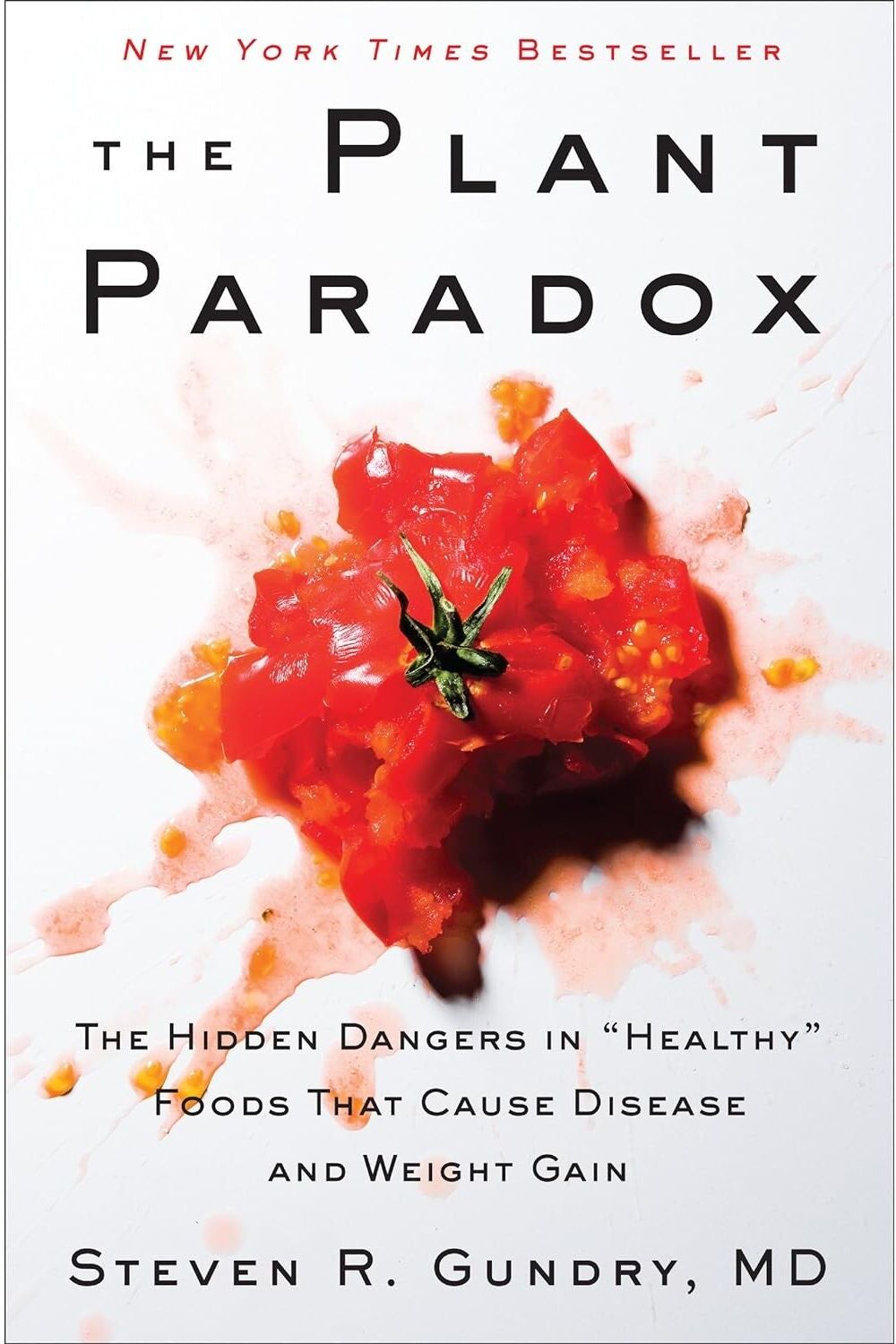
Harper The Plant Paradox: The Hidden Dangers in Healthy Foods That Cause Disease and Weight GainFrom renowned cardiac surgeon Steven R. Gundry, MD, the New York Times bestselling The Plant Paradox is arevolutionary look at the hidden compounds in "healthy" foods like fruit, vegetables, and whole grains that are causing us to gain weight and develop chronic disease. Most of us have heard of gluten—a protein found in wheat that causes widespread inflammation in the body. Americans spend billions of dollars on gluten-free diets in an effort to protect their health. But what if we’ve been missing the root of the problem? In The Plant Paradox, renowned cardiologist Dr. Steven Gundry reveals that gluten is just one variety of a common, and highly toxic, plant-based protein called lectin. Lectins are found not only in grains like wheat but also in the “gluten-free” foods most of us commonly regard as healthy, including many fruits, vegetables, nuts, beans, and conventional dairy products. These proteins, which are found in the seeds, grains, skins, rinds, and leaves of plants, are designed by nature to protect them from predators (including humans). Once ingested, they incite a kind of chemical warfare in our bodies, causing inflammatory reactions that can lead to weight gain and serious health conditions. At his waitlist-only clinics in California, Dr. Gundry has successfully treated tens of thousands of patients suffering from autoimmune disorders, diabetes, leaky gut syndrome, heart disease, and neurodegenerative diseases with a protocol that detoxes the cells, repairs the gut, and nourishes the body. Now, in The Plant Paradox, he shares this clinically proven program with readers around the world. The simple (and daunting) fact is, lectins are everywhere. Thankfully, Dr. Gundry offers simple hacks we easily can employ to avoid them, including: Peel your veggies. Most of the lectins are contained in the skin and seeds of plants; simply peeling and de-seeding vegetables (like tomatoes and peppers) reduces their lectin content. Shop for fruit in season. Fruit contain fewer lectins when ripe, so eating apples, berries, and other lectin-containing fruits at the peak of ripeness helps minimize your lectin consumption. Swap your brown rice for white. Whole grains and seeds with hard outer coatings are designed by nature to cause digestive distress—and are full of lectins. With a full list of lectin-containing foods and simple substitutes for each, a step-by-step detox and eating plan, and delicious lectin-free recipes, The Plant Paradox illuminates the hidden dangers lurking in your salad bowl—and shows you how to eat whole foods in a whole new way.6,99 £*Shipping: 2,99 £Secure redirect to the provider

-
What is an energy balance?
An energy balance refers to the equilibrium between the energy intake and energy expenditure of an individual. It is the relationship between the calories consumed through food and beverages and the calories burned through physical activity and metabolic processes. When energy intake matches energy expenditure, the body is in a state of balance and weight is maintained. However, if there is an imbalance, either by consuming more calories than the body needs or by burning fewer calories than consumed, it can lead to weight gain or weight loss. **
-
What is the energy balance in physics?
In physics, energy balance refers to the principle that energy cannot be created or destroyed, only transferred or converted from one form to another. This principle is based on the law of conservation of energy, which states that the total energy in a closed system remains constant over time. Energy balance is essential in understanding various physical phenomena, such as the motion of objects, chemical reactions, and thermal processes. By analyzing the energy balance in a system, physicists can predict and explain how energy is transferred and transformed within that system. **
-
Isn't thermal energy kinetic energy?
Thermal energy is actually a form of internal energy within a system due to the motion of its particles. While kinetic energy is associated with the motion of an object as a whole, thermal energy is related to the random motion of particles within a substance. So, while thermal energy involves kinetic energy at the microscopic level, it is not the same as the kinetic energy of an object in motion. **
-
Rockstar Energy or Monster Energy?
The choice between Rockstar Energy and Monster Energy ultimately comes down to personal preference. Both brands offer a variety of flavors and caffeine levels to suit different tastes and energy needs. Some may prefer the bold and intense flavors of Monster Energy, while others may prefer the slightly milder taste of Rockstar Energy. It's best to try both and see which one you enjoy more. **

Is fusion energy nuclear energy?
Yes, fusion energy is a form of nuclear energy. Fusion occurs when two light atomic nuclei combine to form a heavier nucleus, releasing a large amount of energy in the process. This process is the same as the one that powers the sun and other stars, and it is a type of nuclear reaction. Therefore, fusion energy is a form of nuclear energy, but it differs from the nuclear fission process used in traditional nuclear power plants. **
What are examples of the conversion of electrical energy into chemical energy, magnetic energy, and mechanical energy?
An example of the conversion of electrical energy into chemical energy is the process of charging a battery. When an electrical current is applied to a battery, it causes a chemical reaction that stores energy in the form of chemical bonds. An example of the conversion of electrical energy into magnetic energy is the operation of an electromagnet. When an electric current flows through a coil of wire, it creates a magnetic field around the coil. Lastly, an example of the conversion of electrical energy into mechanical energy is seen in electric motors. When electricity is supplied to a motor, it generates a magnetic field that interacts with the motor's coils, causing them to rotate and produce mechanical motion. **
Top-Angebote
Products related to Harper-The-Energy-Paradox:
-
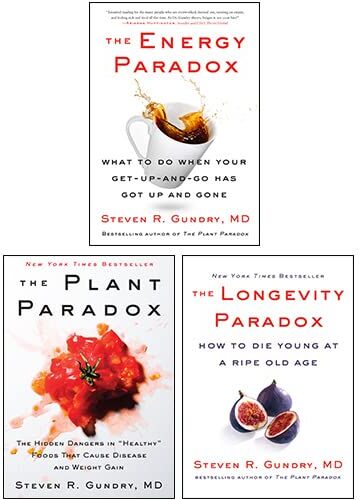
Harper Dr. Steven R Gundry MD 3 Books Collection Set (The Plant Paradox, The Longevity Paradox & The Energy Paradox)Dr. Steven R Gundry MD 3 Books Collection Set (The Plant Paradox, The Longevity Paradox & The Energy Paradox): The Plant Paradox: In The Plant Paradox, renowned cardiologist Dr. Steven Gundry reveals that gluten is just one variety of a common, and highly toxic, plant-based protein called lectin. Lectins are found not only in grains like wheat but also in the “gluten-free” foods most of us commonly regard as healthy, including many fruits, vegetables, nuts, beans, and conventional dairy products. These proteins, which are found in the seeds, grains, skins, rinds, and leaves of plants, are designed by nature to protect them from predators (including humans). The Longevity Paradox: This groundbreaking book holds the answer. Working with thousands of patients, Dr. Gundry has discovered that the “diseases of aging” we most fear are not simply a function of age; rather, they are a byproduct of the way we have lived over the decades. In The Longevity Paradox, he maps out a new approach to aging well—one that is based on supporting the health of the “oldest” parts of us: the microorganisms that live within our bodies. The Energy Paradox: In The Energy Paradox, Dr. Gundry expands upon his previous discussions of gut, microbiome, and mitochondrial health, linking immune malfunction to the mental and physical symptoms of fatigue—including exhaustion, brain fog, depression, anxiety, and low metabolism. As Dr. Gundry explains, feeling tired, moody, and zapped of energy is not normal, no matter your workload or age. Fatigue is an SOS flare from the body, one that is intended to alert us that something is wrong.18,99 £*Shipping: 2,99 £Secure redirect to the provider
-
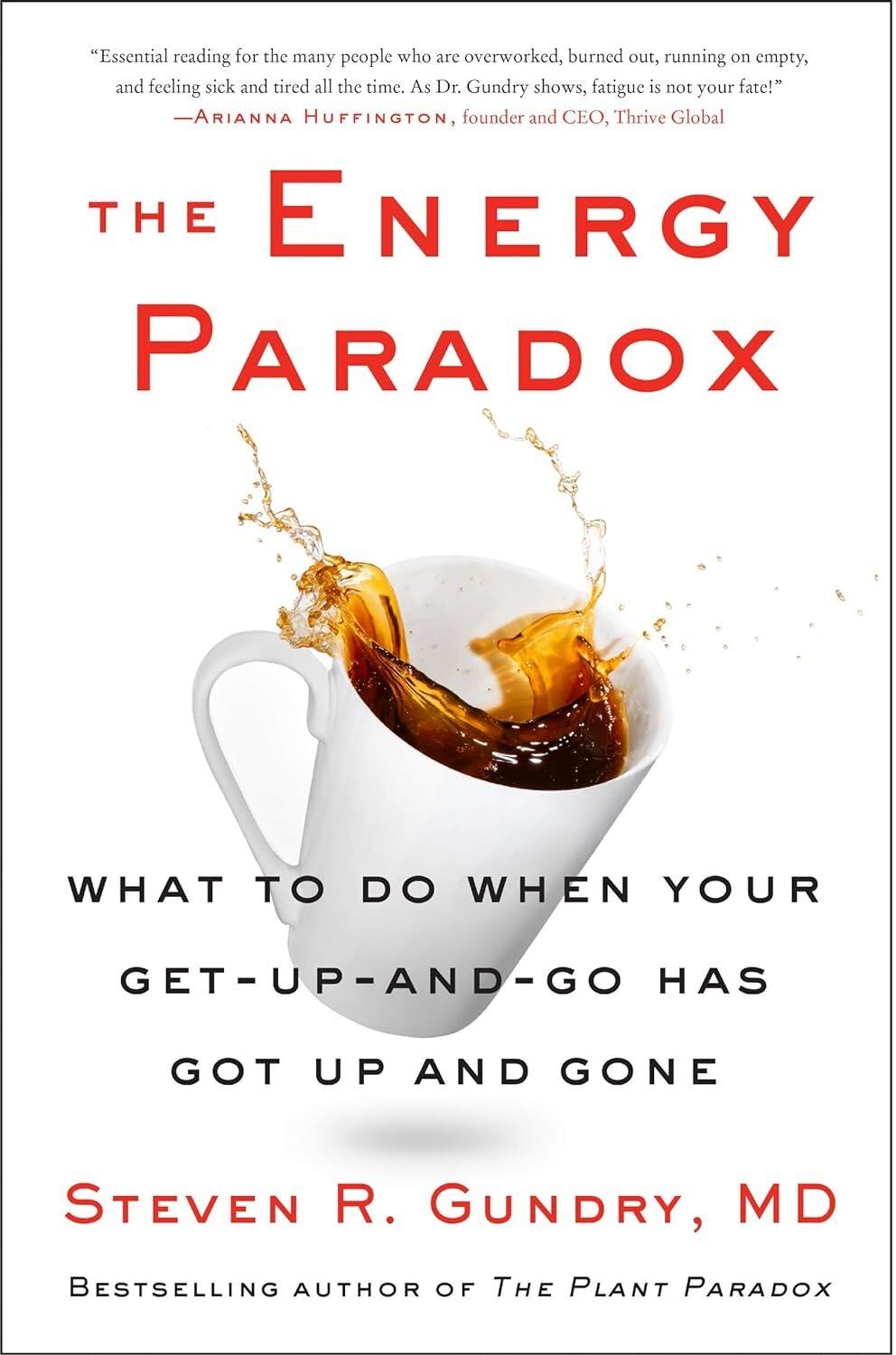
Harper The Energy Paradox: What to Do When Your Get-Up-and-Go Has Got Up and GoneThe author of the bestselling Plant Paradox series takes a fresh look at one of the top health issues plaguing Americans—fatigue—and offers a revolutionary plan for boosting energy and revitalizing mental and physical stamina. In his bestselling books, The Plant Paradox and The Longevity Paradox, Dr. Steven R. Gundry offered game-changing perspectives on our wellbeing. In The Energy Paradox, Dr. Gundry expands upon his previous discussions of gut, microbiome, and mitochondrial health, linking immune malfunction to the mental and physical symptoms of fatigue—including exhaustion, brain fog, depression, anxiety, and low metabolism. As Dr. Gundry explains, feeling tired, moody, and zapped of energy is not normal, no matter your workload or age. Fatigue is an SOS flare from the body, one that is intended to alert us that something is wrong. In his clinical work, Dr. Gundry has found that his patients who complain of feeling sick and tired all the time almost always have something in common: the inflammation markers of a leaky gut. In The Energy Paradox, Dr. Gundry will offer readers the information and tools necessary to quiet the autoimmune battle raging within—a battle that depletes precious energy reserves, leaving you drained and prone to mood disorders and weight gain. With new guidelines on how to increase mitochondrial energy production and nourish the microbiome; 30 new Plant Paradox-approved recipes; and lists of energy-boosting foods to consume and energy-depleting foods to avoid, The Energy Paradox will help readers take back their lives, giving them the energy they need to feel, look, and be their best.6,70 £*Shipping: 2,99 £Secure redirect to the provider
-
HarperWave ltd Dr. Steven R Gundry MD 4 Books Collection Set (The Plant Paradox, The Longevity Paradox, The Energy Paradox and Unlocking The Keto Code)Dr. Steven R Gundry MD 4 Books Collection Set (The Plant Paradox, The Longevity Paradox, The Energy Paradox & Unlocking The Keto Code): The Plant Paradox: In The Plant Paradox, renowned cardiologist Dr. Steven Gundry reveals that gluten is just one variety of a common, and highly toxic, plant-based protein called lectin. Lectins are found not only in grains like wheat but also in the “gluten-free” foods most of us commonly regard as healthy, including many fruits, vegetables, nuts, beans, and conventional dairy products. The Longevity Paradox: This groundbreaking book holds the answer. Working with thousands of patients, Dr. Gundry has discovered that the “diseases of aging” we most fear are not simply a function of age; rather, they are a byproduct of the way we have lived over the decades. In The Longevity Paradox, he maps out a new approach to aging well—one that is based on supporting the health of the “oldest” parts of us: the microorganisms that live within our bodies. The Energy Paradox: In The Energy Paradox, Dr. Gundry expands upon his previous discussions of gut, microbiome, and mitochondrial health, linking immune malfunction to the mental and physical symptoms of fatigue—including exhaustion, brain fog, depression, anxiety, and low metabolism. As Dr. Gundry explains, feeling tired, moody, and zapped of energy is not normal, no matter your workload or age. Unlocking the Keto Code: In Unlocking the Keto Code, Dr. Gundry reveals the biological mechanism that makes keto diets so successful: a cellular process known as “mitochondrial uncoupling.” As it turns out, ketones are not the magical fuel source they’ve been made out to be; in fact, the body cannot run on ketones and fats alone.24,90 £*Shipping: 2,99 £Secure redirect to the provider
-
Harper The Plant Paradox & The Plant Paradox Quick and Easy 2 Book Collection Set by Steven R. Gundry – 30-Day Diet Plan & Health GuideThe Plant Paradox Series 2 Books Collection Set By Dr. Steven R Gundry MD (The Plant Paradox [Hardcover] & The Plant Paradox Quick and Easy: The 30-Day Plan to Lose Weight, Feel Great, and Live Lectin-Free): The Plant Paradox [Hardcover]: In The Plant Paradox, renowned cardiologist Dr. Steven Gundry reveals that gluten is just one variety of a common, and highly toxic, plant-based protein called lectin. Lectins are found not only in grains like wheat but also in the “gluten-free” foods most of us commonly regard as healthy, including many fruits, vegetables, nuts, beans, and conventional dairy products. These proteins, which are found in the seeds, grains, skins, rinds, and leaves of plants, are designed by nature to protect them from predators (including humans). Once ingested, they incite a kind of chemical warfare in our bodies, causing inflammatory reactions that can lead to weight gain and serious health conditions. The Plant Paradox Quick and Easy: In Dr. Steven Gundry’s breakout bestseller The Plant Paradox, readers learned the surprising truth about foods that have long been regarded as healthy. Lectins—a type of protein found in fruits, vegetables, legumes, dairy, and grains—wreak havoc on the gut, creating systemic inflammation and laying the groundwork for disease and weight gain. Avoiding lectins offers incredible health benefits but requires a significant lifestyle change—one that, for many people, can feel overwhelming.Now, in The Plant Paradox Quick and Easy, Dr. Gundry makes it simpler than ever to go lectin free. His 30-day challenge offers incentives, support, and results along with a toolkit for success.12,99 £*Shipping: 2,99 £Secure redirect to the provider
-
Is Qi energy-saving?
Qi energy is not inherently energy-saving in the traditional sense. It is a concept in traditional Chinese medicine and martial arts that refers to the vital energy or life force that flows through the body. While practices such as qigong and tai chi, which aim to cultivate and balance Qi, may promote overall health and well-being, they are not specifically designed to save energy in the way we typically think of it in terms of electricity or fuel consumption. However, the principles of Qi cultivation may lead to a more balanced and efficient use of personal energy and resources. **
-
What is the energy balance?
Energy balance refers to the relationship between the energy consumed through food and beverages and the energy expended through physical activity and metabolic processes. When energy intake equals energy expenditure, a person is said to be in energy balance. This balance is important for maintaining a healthy weight and overall well-being. If there is an imbalance, with more energy consumed than expended, it can lead to weight gain, and vice versa. **
-
What is an energy balance?
An energy balance refers to the equilibrium between the energy intake and energy expenditure of an individual. It is the relationship between the calories consumed through food and beverages and the calories burned through physical activity and metabolic processes. When energy intake matches energy expenditure, the body is in a state of balance and weight is maintained. However, if there is an imbalance, either by consuming more calories than the body needs or by burning fewer calories than consumed, it can lead to weight gain or weight loss. **
-
What is the energy balance in physics?
In physics, energy balance refers to the principle that energy cannot be created or destroyed, only transferred or converted from one form to another. This principle is based on the law of conservation of energy, which states that the total energy in a closed system remains constant over time. Energy balance is essential in understanding various physical phenomena, such as the motion of objects, chemical reactions, and thermal processes. By analyzing the energy balance in a system, physicists can predict and explain how energy is transferred and transformed within that system. **
Similar search terms for Harper-The-Energy-Paradox
-
Harper The Longevity Paradox by Steven R. Gundry – Healthy Aging & Nutrition GuideRethink aging and long-term wellness with The Longevity Paradox: How to Die Young at a Ripe Old Age by Steven R. Gundry. In this accessible health guide, Dr. Gundry explores how lifestyle choices — including diet, gut health, and daily habits — may influence how we age. Drawing on research and clinical insights, the book introduces practical strategies aimed at supporting energy, resilience, and overall wellbeing throughout life. Written in a clear, motivating style, The Longevity Paradox encourages readers to take an active role in shaping healthier routines, focusing on prevention and sustainable habits rather than quick fixes. Why Readers Love This Book: Practical insights into healthy aging Focus on nutrition, gut health, and lifestyle habits Accessible science explained clearly Encourages long-term wellness strategies Motivating and easy to follow A thought-provoking guide to living well at every age, The Longevity Paradox inspires readers to rethink how they approach health and longevity.5,99 £*Shipping: 2,99 £Secure redirect to the provider
-
Harper The Plant Paradox: The Hidden Dangers in Healthy Foods That Cause Disease and Weight GainFrom renowned cardiac surgeon Steven R. Gundry, MD, the New York Times bestselling The Plant Paradox is arevolutionary look at the hidden compounds in "healthy" foods like fruit, vegetables, and whole grains that are causing us to gain weight and develop chronic disease. Most of us have heard of gluten—a protein found in wheat that causes widespread inflammation in the body. Americans spend billions of dollars on gluten-free diets in an effort to protect their health. But what if we’ve been missing the root of the problem? In The Plant Paradox, renowned cardiologist Dr. Steven Gundry reveals that gluten is just one variety of a common, and highly toxic, plant-based protein called lectin. Lectins are found not only in grains like wheat but also in the “gluten-free” foods most of us commonly regard as healthy, including many fruits, vegetables, nuts, beans, and conventional dairy products. These proteins, which are found in the seeds, grains, skins, rinds, and leaves of plants, are designed by nature to protect them from predators (including humans). Once ingested, they incite a kind of chemical warfare in our bodies, causing inflammatory reactions that can lead to weight gain and serious health conditions. At his waitlist-only clinics in California, Dr. Gundry has successfully treated tens of thousands of patients suffering from autoimmune disorders, diabetes, leaky gut syndrome, heart disease, and neurodegenerative diseases with a protocol that detoxes the cells, repairs the gut, and nourishes the body. Now, in The Plant Paradox, he shares this clinically proven program with readers around the world. The simple (and daunting) fact is, lectins are everywhere. Thankfully, Dr. Gundry offers simple hacks we easily can employ to avoid them, including: Peel your veggies. Most of the lectins are contained in the skin and seeds of plants; simply peeling and de-seeding vegetables (like tomatoes and peppers) reduces their lectin content. Shop for fruit in season. Fruit contain fewer lectins when ripe, so eating apples, berries, and other lectin-containing fruits at the peak of ripeness helps minimize your lectin consumption. Swap your brown rice for white. Whole grains and seeds with hard outer coatings are designed by nature to cause digestive distress—and are full of lectins. With a full list of lectin-containing foods and simple substitutes for each, a step-by-step detox and eating plan, and delicious lectin-free recipes, The Plant Paradox illuminates the hidden dangers lurking in your salad bowl—and shows you how to eat whole foods in a whole new way.6,99 £*Shipping: 2,99 £Secure redirect to the provider
-
Harper Genius Kitchen by Max Lugavere – 100+ Brain-Boosting Recipes for Energy, Health & NutritionCombining the dietary recommendations in his bestselling Genius Foods and the lifestyle recommendations of The Genius Life, Genius Kitchen features shockingly delicious, nutrient-packed recipes that will energize your mind, strengthen your body, and pave a path to health that you’ll feel with the first bite. Max Lugavere’s debut book Genius Foods was groundbreaking, providing much-needed information on brain health that was embraced by thousands, and became an instant New York Times bestseller. His second book, The Genius Life, introduced an easy-to-implement protocol for strengthening your body and mind. This is the follow-up fans have been waiting for: the companion cookbook, filled with over 100 delicious recipes to help you lose weight, feel great, and reach optimum health. Inspired by traditions from around the globe, the 100-plus recipes and stunning photographs in Genius Kitchen feature an international twist, with bold flavors that favor simplicity and quality of ingredients over complexity and quantity. In addition, Max lists the basic, healthy ingredients and tools that are essential for a well-stocked kitchen and pantry, and offers techniques and best practices for healthy cooking and eating well on a budget. Max wants everyone to be well and enjoy great food—a legacy imparted on him by the tragic health of his mother. Part cookbook, part wellness guide, Genius Kitchen provides key insights that make healthy eating a breeze. Max explains the importance of whole, fresh foods, how various nutrients work together keep you healthy, and how to get fit without counting calories. Breaking down each meal component, Max explains the art and science of nutrition without the dogma, so that you can feel your best every day without sacrificing your love of eating. Whether you are a novice cook or seasoned in the kitchen; just beginning the journey to wellness, or health conscious but wanting to up your game, everyone will benefit from the information presented in Genius Kitchen—and enjoy some epic food in the process.7,99 £*Shipping: 2,99 £Secure redirect to the provider
-
Harper ltd Dr Steven R Gundry 5 Books Collection Set – Plant Paradox, Diet & Gut Health Nutrition CollectionDr. Steven R Gundry MD 5 Books Collection Set (The Plant Paradox, The Longevity Paradox, The Energy Paradox, Unlocking The Keto Code & [Paperback] The Plant Paradox Quick and Easy): The Plant Paradox Quick and Easy[Paperback]: The Plant Paradox, readers learned the surprising truth about foods that have long been regarded as healthy. Lectins—a type of protein found in fruits, vegetables, legumes, dairy, and grains—wreak havoc on the gut, creating systemic inflammation and laying the groundwork for disease and weight gain. The Plant Paradox: In The Plant Paradox, renowned cardiologist Dr. Steven Gundry reveals that gluten is just one variety of a common, and highly toxic, plant-based protein called lectin. Lectins are found not only in grains like wheat but also in the “gluten-free” foods. The Longevity Paradox: Dr. Gundry has discovered that the “diseases of aging” we most fear are not simply a function of age; rather, they are a byproduct of the way we have lived over the decades. In The Longevity Paradox, he maps out a new approach to aging well—one that is based on supporting the health of the “oldest” parts of us: the microorganisms that live within our bodies. The Energy Paradox: Dr. Gundry expands upon his previous discussions of gut, microbiome, and mitochondrial health, linking immune malfunction to the mental and physical symptoms of fatigue—including exhaustion, brain fog, depression, anxiety, and low metabolism. Unlocking the Keto Code: In Unlocking the Keto Code, Dr. Gundry reveals the biological mechanism that makes keto diets so successful: a cellular process known as “mitochondrial uncoupling.” As it turns out, ketones are not the magical fuel source they’ve been made out to be.22,45 £*Shipping: 2,99 £Secure redirect to the provider
-
Isn't thermal energy kinetic energy?
Thermal energy is actually a form of internal energy within a system due to the motion of its particles. While kinetic energy is associated with the motion of an object as a whole, thermal energy is related to the random motion of particles within a substance. So, while thermal energy involves kinetic energy at the microscopic level, it is not the same as the kinetic energy of an object in motion. **
-
Rockstar Energy or Monster Energy?
The choice between Rockstar Energy and Monster Energy ultimately comes down to personal preference. Both brands offer a variety of flavors and caffeine levels to suit different tastes and energy needs. Some may prefer the bold and intense flavors of Monster Energy, while others may prefer the slightly milder taste of Rockstar Energy. It's best to try both and see which one you enjoy more. **
-
Is fusion energy nuclear energy?
Yes, fusion energy is a form of nuclear energy. Fusion occurs when two light atomic nuclei combine to form a heavier nucleus, releasing a large amount of energy in the process. This process is the same as the one that powers the sun and other stars, and it is a type of nuclear reaction. Therefore, fusion energy is a form of nuclear energy, but it differs from the nuclear fission process used in traditional nuclear power plants. **
-
What are examples of the conversion of electrical energy into chemical energy, magnetic energy, and mechanical energy?
An example of the conversion of electrical energy into chemical energy is the process of charging a battery. When an electrical current is applied to a battery, it causes a chemical reaction that stores energy in the form of chemical bonds. An example of the conversion of electrical energy into magnetic energy is the operation of an electromagnet. When an electric current flows through a coil of wire, it creates a magnetic field around the coil. Lastly, an example of the conversion of electrical energy into mechanical energy is seen in electric motors. When electricity is supplied to a motor, it generates a magnetic field that interacts with the motor's coils, causing them to rotate and produce mechanical motion. **
* All prices are inclusive of VAT and, if applicable, plus shipping costs. The offer information is based on the details provided by the respective shop and is updated through automated processes. Real-time updates do not occur, so deviations can occur in individual cases. ** Note: Parts of this content were created by AI.